What Gas is Used for TIG and MIG Welding? Full Guide
Last Updated: December 14, 2025
Discover what gas is used for TIG welding, including argon for aluminum and stainless steel TIG. Learn MIG vs TIG gases, safety tips, and best choices for strong welds. Expert guide for beginners and pros.
Welding isn't just about sparks and metal, it's a precise dance between heat, filler, and the right shielding gas. If you've ever wondered, "What gas is used for welding?" you're not alone. Whether you're a DIY enthusiast fixing a trailer or a pro tackling industrial projects, picking the wrong gas can ruin your weld, cause defects, or even spark safety issues. In this guide, we'll break it down simply: the main gases, why they matter, and specifics for popular methods like TIG and MIG.
Think of shielding gas as a protective blanket. It shields the molten weld pool from air, preventing oxidation that makes welds brittle. Without it, your work turns porous and weak. Most welders use inert gases like argon or mixes with CO2 for everyday jobs. But the best choice depends on your metal, process, and budget. Let's dive in.
Why Shielding Gas Matters in Welding
Air is the enemy during welding. Oxygen, nitrogen, and hydrogen sneak in, reacting with hot metal to form bubbles, cracks, or discoloration. Shielding gas flows from your torch, creating a bubble of purity around the arc.
Common gases fall into three camps: inert (non-reactive, like argon), active (reactive for penetration, like CO2), and mixes. Inert ones are kings for clean, precise work, active ones save money on thicker steels. Flow rate? Aim for 15-25 cubic feet per hour too low, and you get contamination, too high wastes gas and cash.
Safety first: These gases displace oxygen, so work in ventilated spaces. Argon is heavier than air, pooling in low spots never weld in pits without fans.
What Gas is Used for TIG Welding?
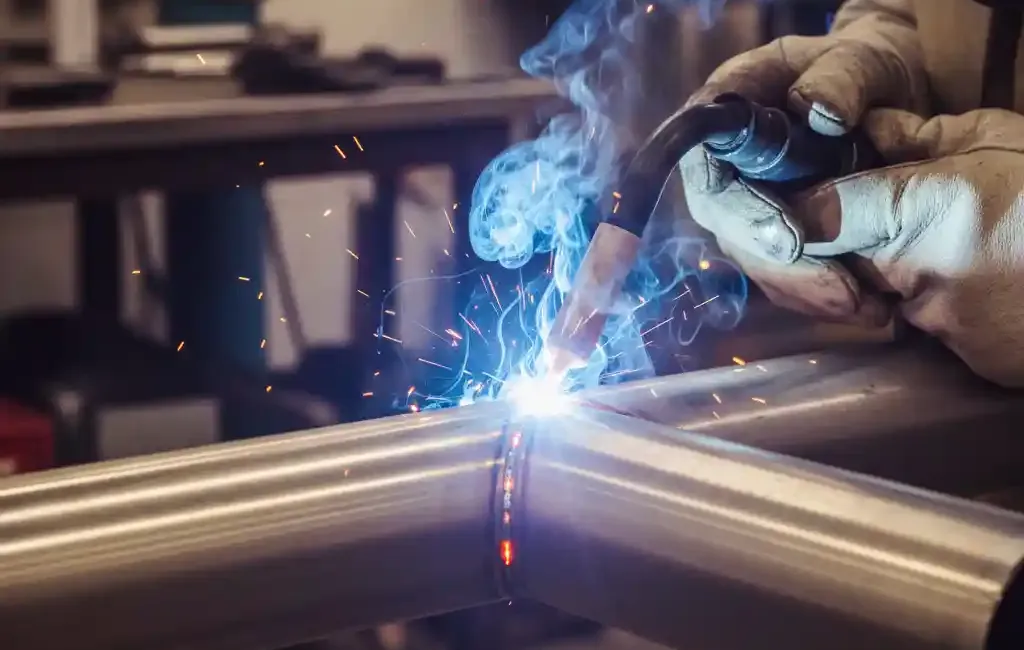
TIG (Tungsten Inert Gas) welding shines for thin metals and high-quality finishes, like bike frames or aerospace parts. It's all about control, and the gas plays a starring role.
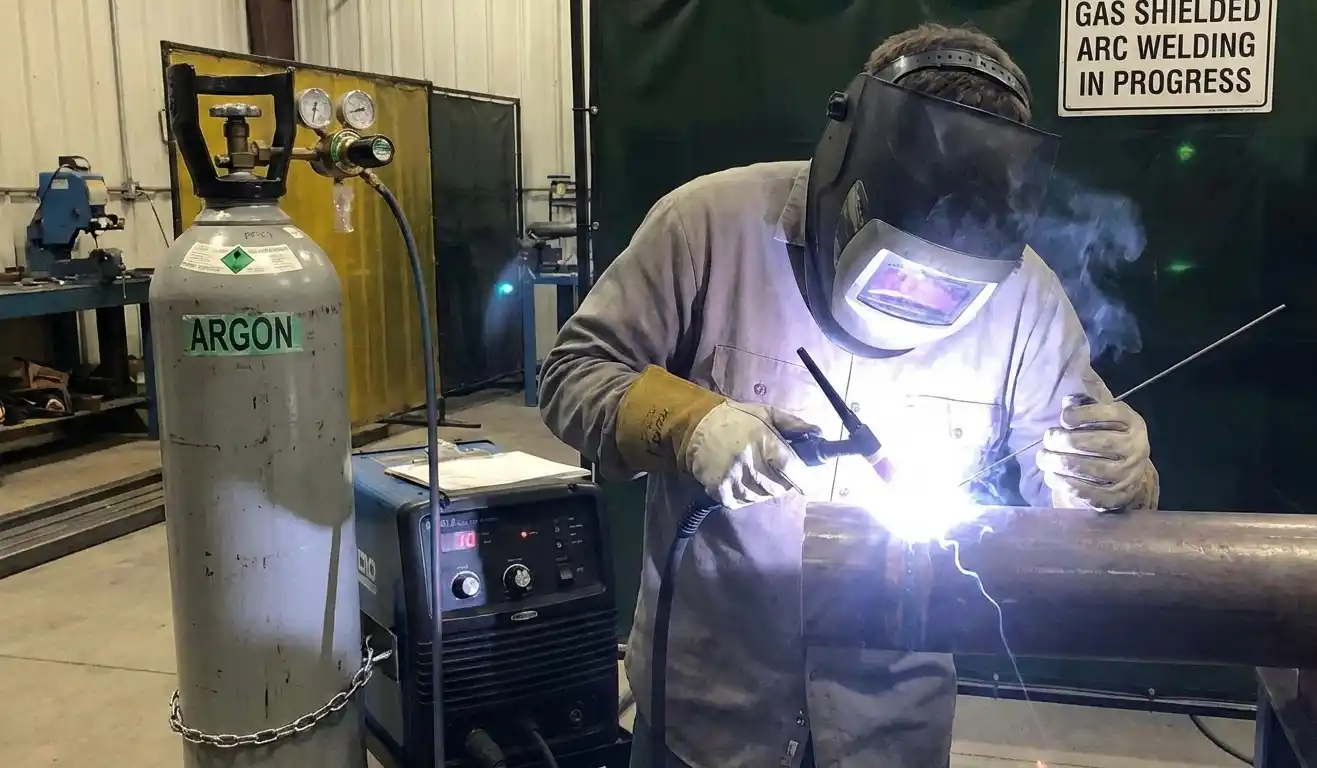
Pure argon is the go to for TIG welding. Why? It's 100% inert, totally non-reactive, giving crystal-clear welds without porosity. Helium mixes in sometimes for hotter arcs on thick aluminum, but start with straight argon it's reliable and cheap.
For most TIG jobs on steel, stainless, or alloys, 100% argon at 15-20 CFH does the trick. No CO2 here, it messes with TIG's delicate arc.
Best Gas for TIG Welding Aluminum
Aluminum TIG welding trips up beginners because it conducts heat fast and oxidizes easily. "What gas is used for TIG welding aluminum?" The answer: pure argon, hands down.
Argon's density perfectly blankets the weld pool, pushing away aluminum oxide (that white powdery stuff). Use 99.99% purity welding-grade argon no breathing mixes. Flow it at 20-30 CFH to handle aluminum's high heat.
Pro tip: On thicker aluminum (over 1/4 inch), blend 25-75% helium with argon. Helium ramps up heat for deeper penetration without burning through. Test on scrap first aluminum loves clean prep, like brushing off oxide with stainless steel.
One fabricator I know switched to argon-helium for boat repairs, his penetration doubled, and no more crater cracks.
Shielding Gas for Stainless Steel TIG Welding
Stainless steel TIG demands perfection ugly welds show right away. "What gas is used for stainless steel TIG welding?" Pure argon rules, keeping chromium from oxidizing and preserving that shiny corrosion resistance.
Why argon? It stabilizes the arc for those buttery-smooth beads on food-grade pipes or medical tools. Add 2-5% hydrogen for faster travel speeds on austenitic stainless (like 304), but skip it on martensitic grades it causes cracking.
Flow at 15-20 CFH. Back-purge pipes with argon too, oxygen inside ruins the root pass. Stainless loves it clean grind with flap discs, not steel brushes that contaminate.
MIG Welding Gases: Quick Comparison to TIG
MIG (Metal Inert Gas) is faster for production, like auto body work. "What gas is used for MIG and TIG welding?" TIG sticks to argon, MIG gets flexible.
For MIG on steel, 75% argon / 25% CO2 is king great penetration, low spatter. Short-arc MIG on thin stuff? 90/10 argon-CO2. Aluminum MIG? Straight argon, like TIG.
| Welding Type | Best Gas for Steel | Best Gas for Aluminum | Best Gas for Stainless |
|---|---|---|---|
| TIG | 100% Argon | 100% Argon (or +Helium) | 100% Argon (+2% H2 optional) |
| MIG | 75/25 Ar/CO2 | 100% Argon | 90/10 Ar/CO2 or Tri-mix |
Other Welding Gases and When to Use Them
CO2: Pure for cheap MIG on carbon steel. Deep penetration but spattery great for thick plates, not thin sheets.
Helium: Hotter arc for TIG on copper or nickel. Pricey, but unbeatable for heavy aluminum.
Argon/Helium/CO2 Tri-Mix: MIG on stainless, balances penetration and stability.
Cylinder sizes matter: Rent 20-80 cu ft tanks. Regulators with flowmeters keep it steady.
Safety Tips and Cost-Saving Hacks
Gases aren't free argon runs $20-50 per fill. Leak-test hoses with soapy water. Store upright, chained. CO2 is non-flammable but can freeze skin, wear gloves.
Hack: Draft-proof your shop to cut flow rates 20%. Clean metals reduce gas needs too.
Common Mistakes and Fixes
Newbies overdo flow, wasting $100s yearly. Undercut? Up your argon purity. Porosity on aluminum? Check for moisture dry your gun.
Pick Gas, Weld Strong
Now you know: Argon leads for "what gas is used for TIG welding," aluminum, stainless, and beyond. Match gas to metal and method for pro results every time. Start small, practice on scrap, and your welds will impress.
Grab argon from local suppliers and experiment. Welding's addictive once the gas clicks.
FAQ
Q. What gas is used for TIG welding?
Pure argon (100%) is standard for TIG welding.
Q. What gas is used for aluminum TIG welding?
100% argon, add helium for thicker pieces.
Q. What gas is used for MIG and TIG welding?
TIG: Argon. MIG: Argon/CO2 mixes for steel.
Q. What gas is used for stainless steel TIG welding?
Pure argon, sometimes with 2-5% hydrogen.