Can You Weld Stainless Steel? Pro Tips Inside
Last Updated: December 13, 2025
If you can weld stainless steel? yes, it works with MIG, TIG, and more. Get expert tips on methods, challenges, best practices, and safety for strong, corrosion-free welds that last. Perfect for DIY or pros.
Can You Weld Stainless Steel?
Yes, absolutely can weld stainless steel. This versatile metal, prized for its rust resistance and strength, joins seamlessly with the right techniques and tools. Unlike mild steel, it demands careful handling to avoid issues like warping or contamination, but the results are worth it for projects from kitchen sinks to industrial pipes.
Stainless steel's popularity in welding stems from its chromium content, which forms a protective layer against corrosion. Home welders and professionals alike use it for everything from custom bike frames to food-grade equipment. The key lies in matching the process to the grade common ones like 304 or 316 weld easiest and prepping surfaces meticulously.
Why Welding Stainless Steel Works So Well
Stainless steel welds beautifully because its alloys respond to heat without losing core properties when done correctly. The metal's low thermal conductivity means it heats up fast and stays hot, creating a focused weld pool that penetrates deeply. This makes it ideal for thin sheets or heavy plates, as long as you control the heat input to prevent distortion.
One big plus is durability: welded stainless holds up in harsh environments like marine settings or chemical plants. Chromium levels above 10.5% ensure the weld stays corrosion-resistant, even after exposure to salt or acids. Professionals often choose it over aluminum or carbon steel for longevity, especially in food processing where hygiene matters.
However, stainless isn't forgiving like mild steel. It conducts electricity poorly, leading to stable arcs but potential for spatter if settings are off. With practice, though, anyone can achieve clean, professional beads that look as good as they perform.
Best Welding Methods for Stainless Steel
TIG Welding:
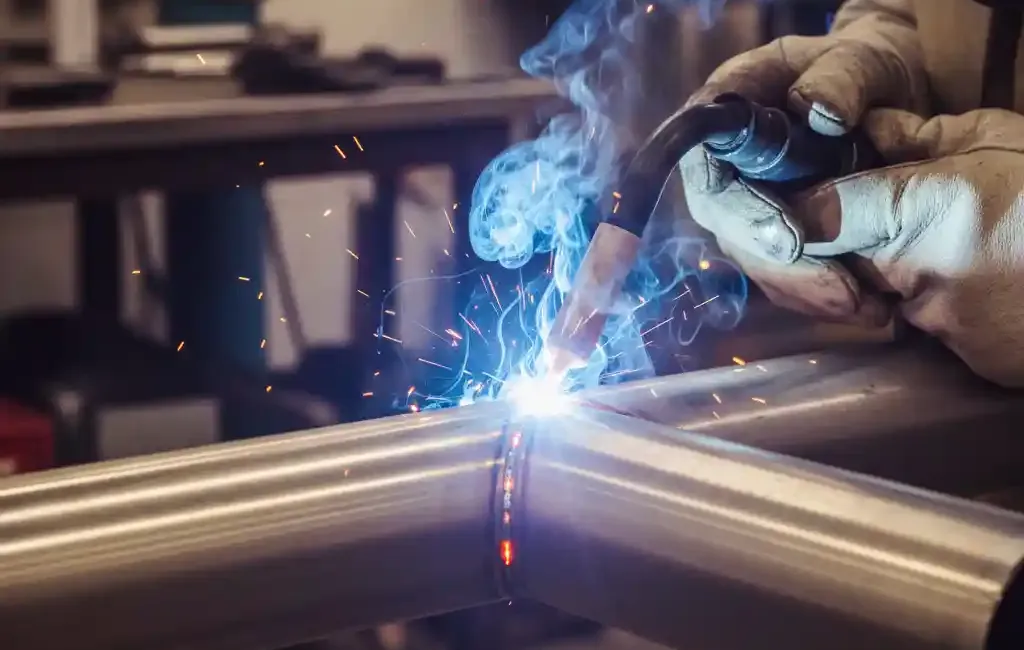
Tungsten Inert Gas (TIG) tops the list for stainless steel precision. It uses a non-consumable tungsten electrode and argon gas shield, giving ultimate control over the puddle. Ideal for thin materials under 1/4 inch, TIG produces pristine welds with no slag perfect for visible joints like handrails or exhausts. Start with 304 grade at 80-120 amps, using 308 filler rod, and keep your tungsten sharp. Pros love TIG for its clean finish, but it takes skill and time. Foot pedal control lets you feather the amperage, avoiding burn-through on delicate pieces.
MIG Welding
Metal Inert Gas (MIG) shines for thicker stainless over 1/8 inch, especially long seams. Swap to a Teflon liner to prevent wire jamming, and use tri-mix gas (helium, argon, CO2) for better penetration. ER308L wire at 18-22 volts feeds smoothly, creating strong, fast welds for frames or tanks. Gasless flux-core works too outdoors, though it's rougher. MIG cuts production time in half versus TIG, making it shop friendly. Just grind away any black oxide from heat to restore shine.
Stick Welding
Shielded Metal Arc (stick) handles dirty or outdoor stainless with E308 electrodes. It's forgiving on rusty surfaces but leaves slag to chip off. Best for repairs or heavy fab at 90 to 140 amps. Not for beauty work, as beads look chunky.
Essential Prep Steps Before Welding
Cleanliness rules stainless welding. Oils, dirt, or mill scale cause porosity or rust later, ruining corrosion resistance. Wipe with acetone, then a stainless brush no steel ones to avoid contamination. Grind to bright metal if needed, and bevel thick edges for full fusion.
Preheat thin sheets? Skip it; it risks warping. For 316L over 1/2 inch, gentle heat to 200°F helps. Back-purge pipes with argon to shield roots from air.
Clamp securely but allow expansion stainless shrinks 20% more than steel on cooldown. Tack weld every few inches, alternating sides.
Common Challenges and Fixes
Stainless warps easily due to high expansion rates. Shorten passes, use heat sinks like copper backs, or skip backstep around tacks. Sugaring (oxidation) hits in air blanket with argon post weld.
Sensitization in 304 grade above 800°F drops corrosion resistance. Use 308L filler with low carbon. Cracking? Match filler to base, like 309L for dissimilar metals. Spatter plagues MIG; dial voltage down and clean tips often. Practice on scrap reveals your sweet spot.
Safety Gear and Best Practices
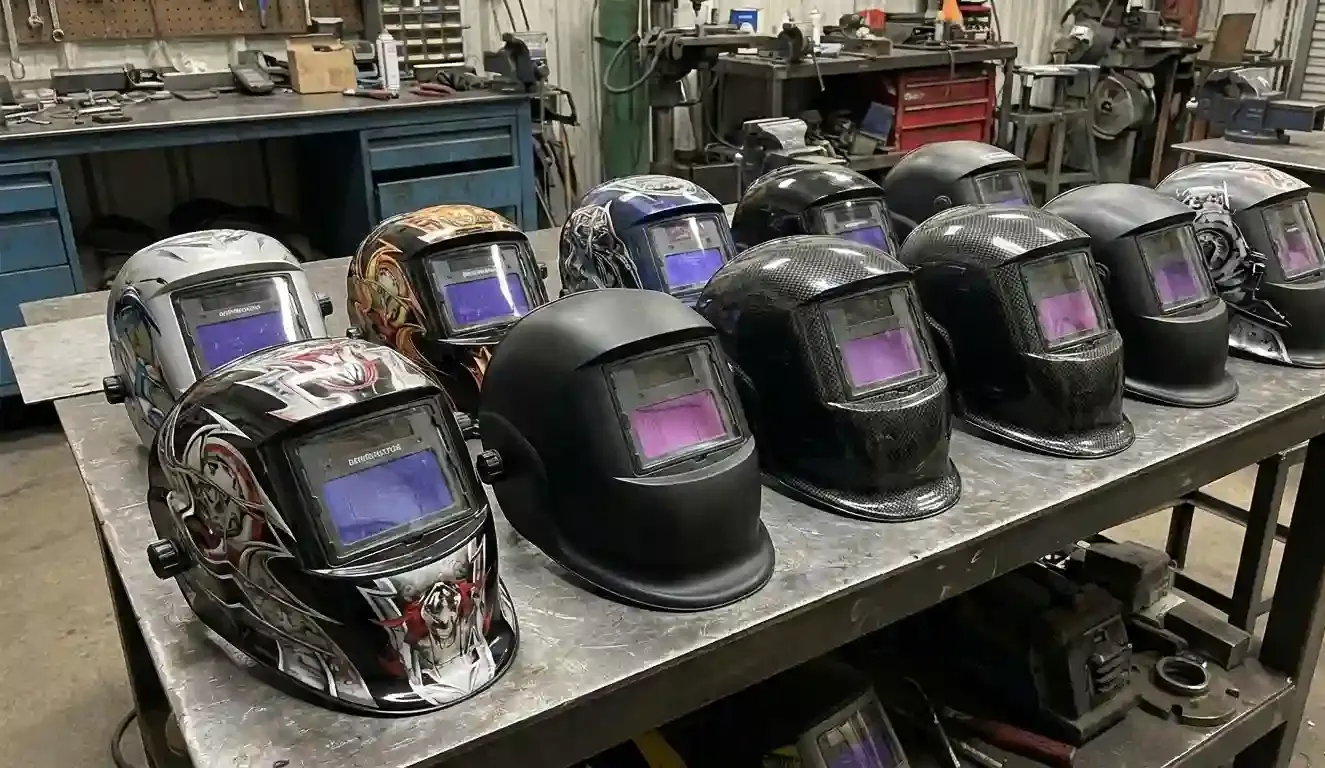
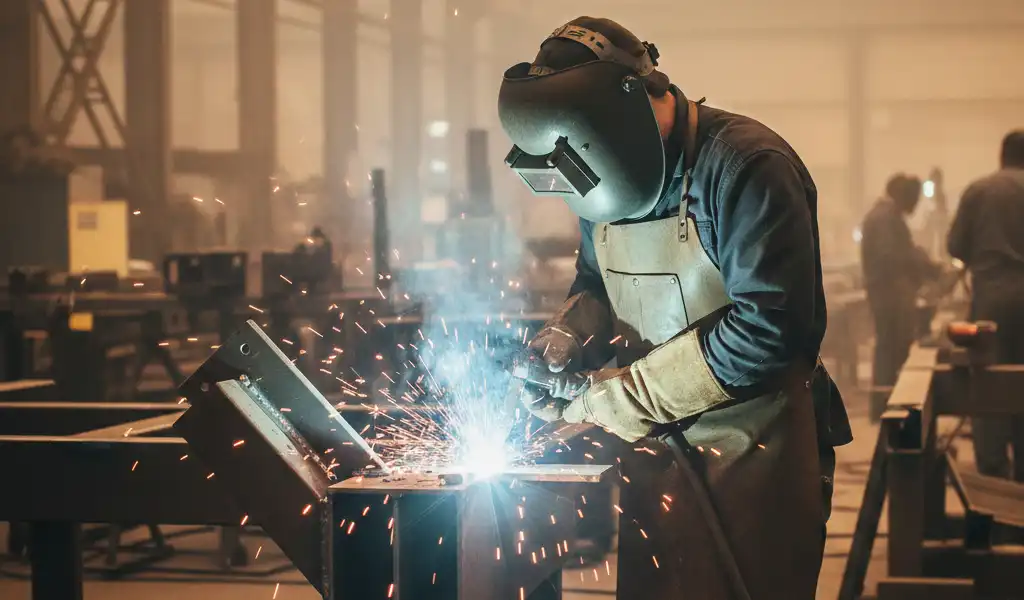
Always wear a stainless-rated auto-darkening helmet UV rays are intense. Leather gloves, jacket, and FR pants guard against hot spatter that sticks. Ventilate for hexavalent chromium fumes; use a respirator. Store rods dry, wire spooled clean. Post-weld, passivate with nitric acid for max corrosion shield. Test with dye penetrant for hidden flaws. For beginners, start small: weld 16-gauge 304 sheets. Invest in a quality machine like multi-process units handling MIG/TIG.
Tools and Materials You'll Need
Welder: MIG225 or TIG inverter for versatility.
Gas: Argon/helium mix; pure argon for TIG.
Filler: ER308L wire/rods.
Grinder, acetone, Teflon liner.
Budget setups work; flux-core MIG welds outdoors cheaply.
Real World Applications
Stainless welds excel in brewing tanks, boat hulls, BBQ grills. Automotive exhausts use 409 grade for heat. Food trucks rely on 316 for sanitary seams.
DIY cat boxes? MIG flux-core holds, though not pretty.
FAQs
Q1. Can you weld stainless steel with a regular MIG welder?
Yes, use Teflon liner, right wire/gas for clean results.
Q2. Is TIG best for thin stainless?
Yes, precise control avoids burn-through.
Q3. Does stainless rust after welding?
No, if cleaned and passivated properly.
Q4. Can beginners weld stainless?
Yes, practice MIG on scrap first.