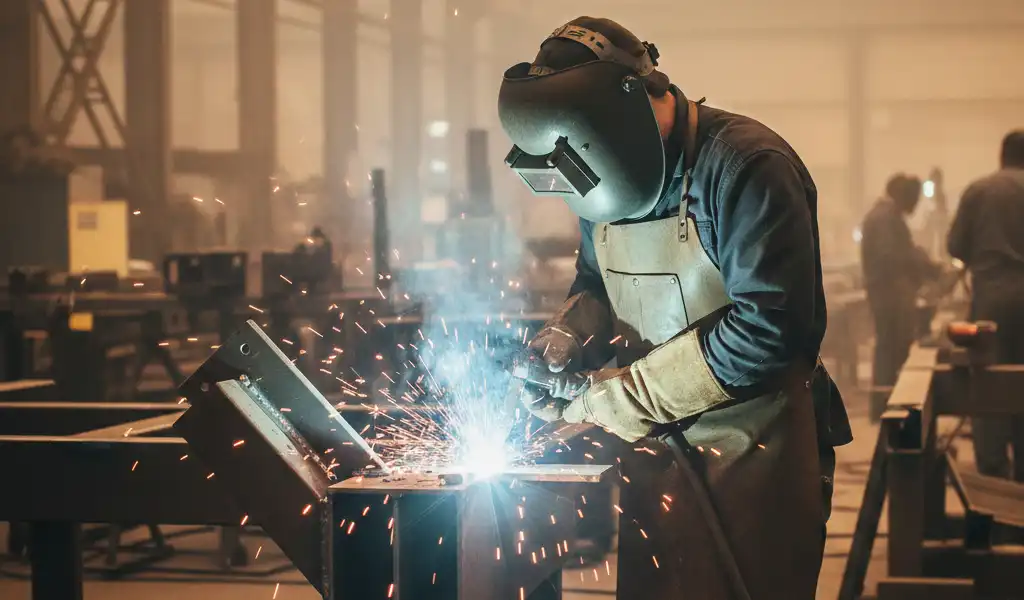
How to Become a Welder - Steps, Training and Jobs
Last Updated: December 13, 2025
Learn how to become a welder with step by step training, certification tips, skills needed, and job prospects. Start your welding career today.
Dreaming of a hands on career where you build everything from bridges to custom cars? Becoming a welder might be your perfect fit. Welders join metals using heat and pressure, playing a key role in construction, manufacturing, and even aerospace. It's a stable trade with strong demand the U.S. Bureau of Labor Statistics projects about 42,600 openings yearly through 2032, with median pay around $48,000.
No college degree required, just the right training and grit. This guide walks you through how to become a welder, from skills to landing your first gig. Whether you're a high school grad or switching careers, welding offers quick entry and solid rewards.
Why Choose a Career as a Welder?
Welding isn't just a job, it's a craft that shapes the world. Think about the skyscrapers, ships, and vehicles around you welders make them possible. The field is booming due to infrastructure projects and green energy like wind turbines.
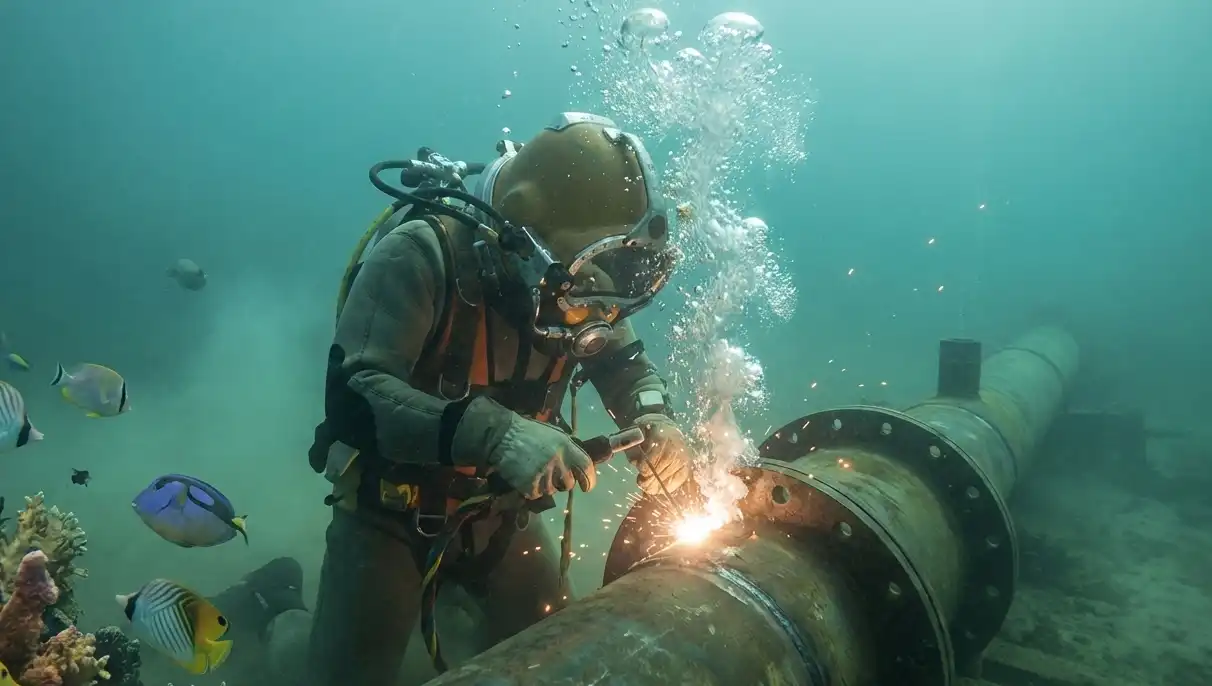
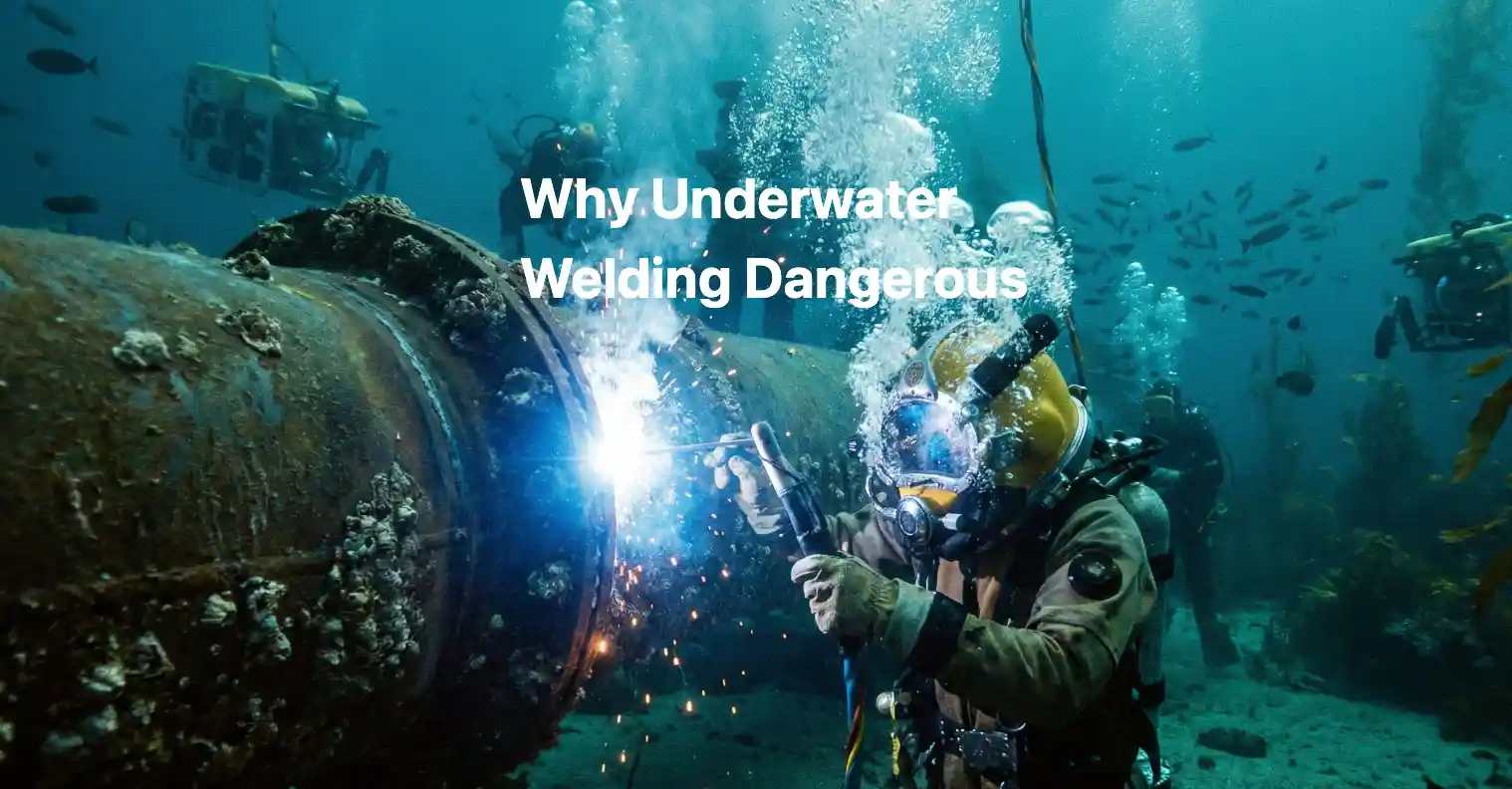
Plus, it's recession resistant. During economic dips, manufacturing and repair work keep welders employed. Entry level pay starts at $35,000 - $40,000, climbing to $60,000+ with experience and specialties like underwater or pipeline welding. Many welders enjoy travel, overtime pay, and union benefits.
What draws people in? The satisfaction of creating something tangible.
Essential Skills to Become a Welder
Success in welding starts with core skills. You don't need to be a math whiz, but strong hand-eye coordination is crucial for precise torch work.
Technical know how matters too. Understanding blueprints, metal properties, and safety protocols sets pros apart. Physical stamina helps welding often means standing for hours in hot, noisy shops.
Soft skills count big. Attention to detail prevents costly mistakes, while teamwork shines on job sites. Employers love reliable folks who show up ready to learn.
Don't worry if you're starting from scratch. Most welder training builds these skills fast, turning beginners into certified pros in months.
Step-by-Step: How to Become a Welder
Ready to dive in? Here's a straightforward path to launch your welding career. Follow these steps without overwhelming yourself.
Step 1: Meet Basic Requirements
Finish high school or get a GED most programs require it. No prior experience needed, but shop classes in metals or drafting give a head start.
Be at least 18 for many certifications. Pass a basic physical, including color vision tests (welders read flame colors).
Step 2: Pick the Right Welder Training
Hands-on learning is king. Enroll in a vocational school, community college, or trade program 6 months to 2 years.
Community colleges like those in the American Welding Society network offer affordable options ($5,000-$15,000 total). Apprenticeships pair paid work with classes, lasting 1-4 years.
Online theory courses exist, but practice on real equipment is non-negotiable. Look for programs accredited by the AWS.
Step 3: Master Welding Techniques
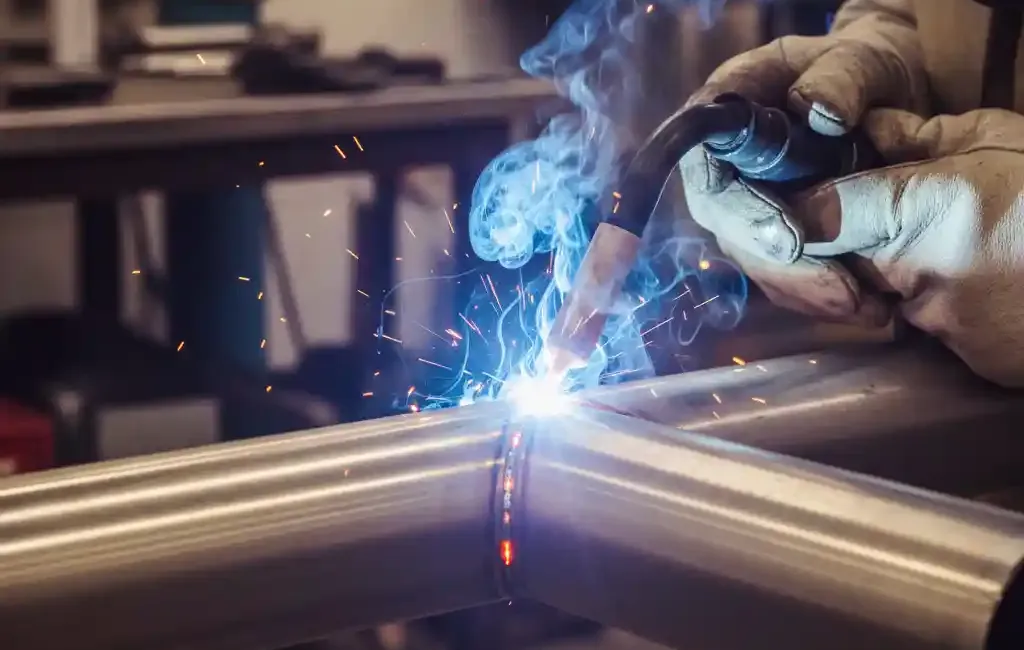
Training covers basics like MIG, TIG, stick, and flux-core welding. MIG is beginner friendly for its speed on steel, TIG excels for aluminum and precision.
Practice on scrap metal until your beads are smooth. Instructors critique your work, building muscle memory.
Safety training is baked in learn to handle fumes, sparks, and UV light with proper gear.
Step 4: Get Welding Certification
Certifications prove your skills to employers. Start with AWS Certified Welder tests your ability on specific positions and materials.
Entry-level: D1.1 structural steel. Advanced: 6G pipe welding for oil/gas jobs.
Costs $200-$500 per test renew every 6 months to 3 years. Certified welders earn 10-20% more.
Essential Welding Tools and Gear for Beginners
Investing in basics helps during training. Here's what you'll need:
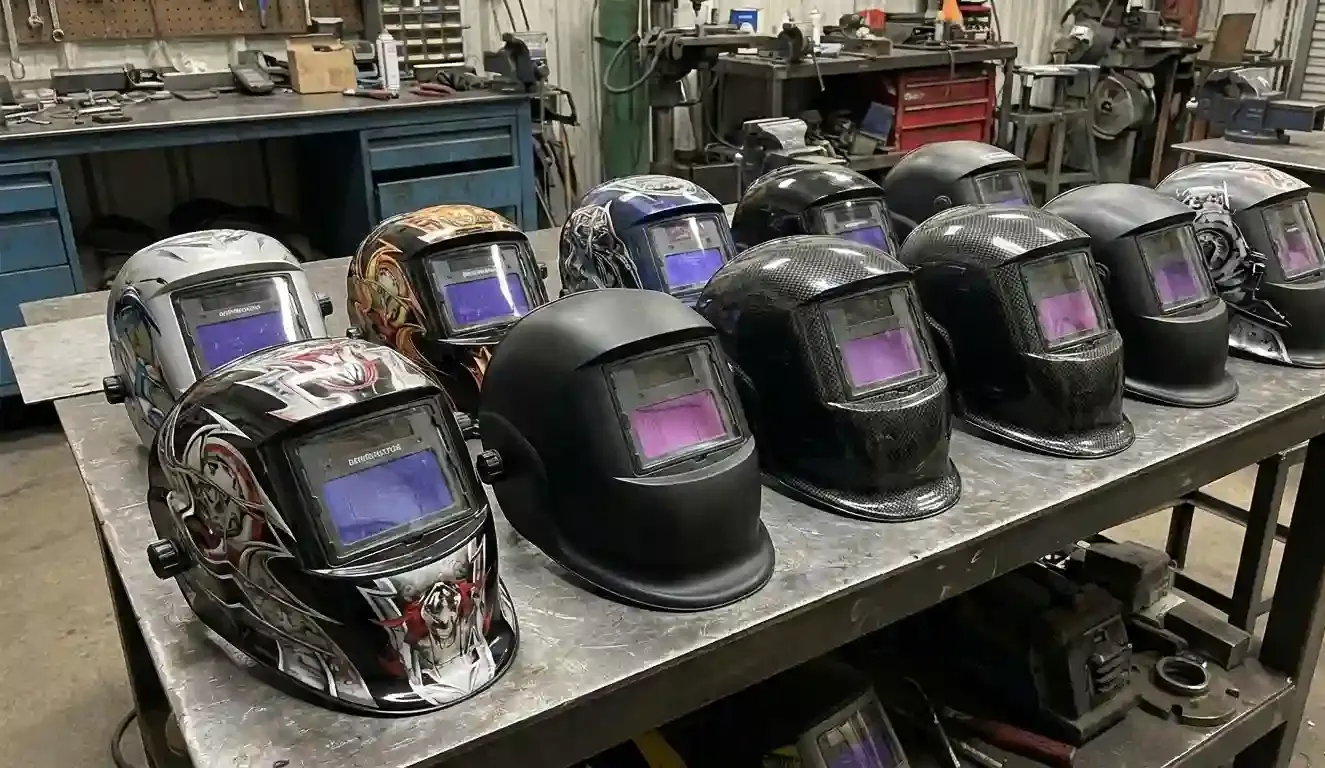
Auto-darkening helmet: Protects eyes from arcs ($100-$300).
Leather gloves and jacket: Shields skin from burns.
Welding pliers and chipping hammer: For cleanup.
Basic MIG welder kit: If practicing at home ($200+).
Rent or borrow first shops provide pro gear. Prioritize quality over cheap imports for safety.
Finding Welder Jobs and Advancing Your Career
Freshly certified? Hit job boards like Indeed, LinkedIn, and AWS Career Center. Target shipyards, factories, auto shops, and construction firms.
Entry roles: fabricator helper ($18-$22/hour). Network at trade shows or through unions like the International Brotherhood of Boilermakers.
To advance: specialize robotic welding for factories or aerospace for high pay ($70K+). Military vets get bonus points via programs like Helmets to Hardhats.
Freelance too: Custom fabrication for artists or farmers pays well. Build a portfolio of your welds.
Challenges and Tips for Welding Success
Welding's tough burns, fumes, and odd hours test you. Stay safe with respirators and ventilation.
Common pitfall: Rushing certification. Take time to master techniques.
Tip: Join online communities like WeldingWeb for advice. Track trends like automation learn CNC programming to future proof.
Women and minorities: Programs like Women Who Weld offer scholarships and support.
Welding Salaries and Job Outlook
Welder pay varies by location and skill. Nationally, median is $48,210 (BLS 2023). Top 10% hit $65,000+. Texas ($52K avg), California ($55K), Alaska ($70K with oil work). 2% Job growth overall, but 5%+ for specialized roles. Shortages mean employers train motivated hires.
Final Thoughts
Becoming a welder is achievable with dedication. Pick a program, certify, and hustle for jobs, you could be earning in under a year.
The trade rewards hard workers with security and pride. Research local schools now and spark your future.
FAQ
How long does it take to become a welder?
Basic certification takes 6-12 months, apprenticeships 1-4 years for mastery.
What education is needed to become a welder?
High school diploma or GED, no degree required just vocational training.
How much does welder training cost?
$5,000-$15,000 for programs, apprenticeships often paid. Free options via unions.
What's the average welder salary?
$48,000 median, $60K+ with experience and certifications. Varies by location.
Do I need certification to work as a welder?
Yes, AWS certification boosts hires and pay by 10-20%. Many jobs require it.