How to Weld Cast Iron? The Ultimate Beginner’s Guide
Last Updated: December 14, 2025
Learn how to weld cast iron successfully with this easy guide. Discover prep tips, best methods like MIG and stick welding, common mistakes to avoid, and pro advice for strong repairs on engine blocks and tools. Perfect for DIY projects.
Welding cast iron can feel intimidating at first. Unlike steel, it cracks easily under heat and has high carbon content that makes repairs tricky. But with the right approach, you can fix broken engine blocks, tools, or pipes like a pro. This guide walks you through how to weld cast iron step by step, using simple techniques that work in a home garage or workshop.
Cast iron shows up everywhere from old radiators to vintage machinery. Its graphite flakes make it brittle, so rushing the job often leads to failure. I've welded plenty of cast iron parts over the years, from lawnmower decks to exhaust manifolds, and learned the hard way what succeeds. Stick around, and you'll get the tools, prep, and methods to create welds that last.
Why Cast Iron Is Tough to Weld And How to Overcome It
Cast iron contains 2-4% carbon, way more than mild steel. When you heat it, that carbon causes hard, brittle spots called martensite. Cool it too fast, and cracks spiderweb across the surface. High phosphorus and sulfur levels add to the headache, leading to porosity or weak spots.
The fix? Preheat the metal to 500-700°F (260-370°C). This slows cooling and reduces cracking. Use nickel rods or filler that matches cast iron's expansion rate. Post weld heat treatment, like annealing at 1100°F, relaxes stresses. These steps turn a nightmare job into a reliable repair.
Essential Tools and Materials for Welding Cast Iron
You don't need a fancy shop to start. Focus on quality basics.
A versatile welder: MIG with nickel wire or stick with Ni-55 rods.
Preheat torch: Propane or oxy-acetylene for even heating.
Temperature sticks or infrared thermometer to monitor heat.
Angle grinder with flap discs for cleaning.
Clamps, Vise-Grips, and welding blanket to secure pieces.
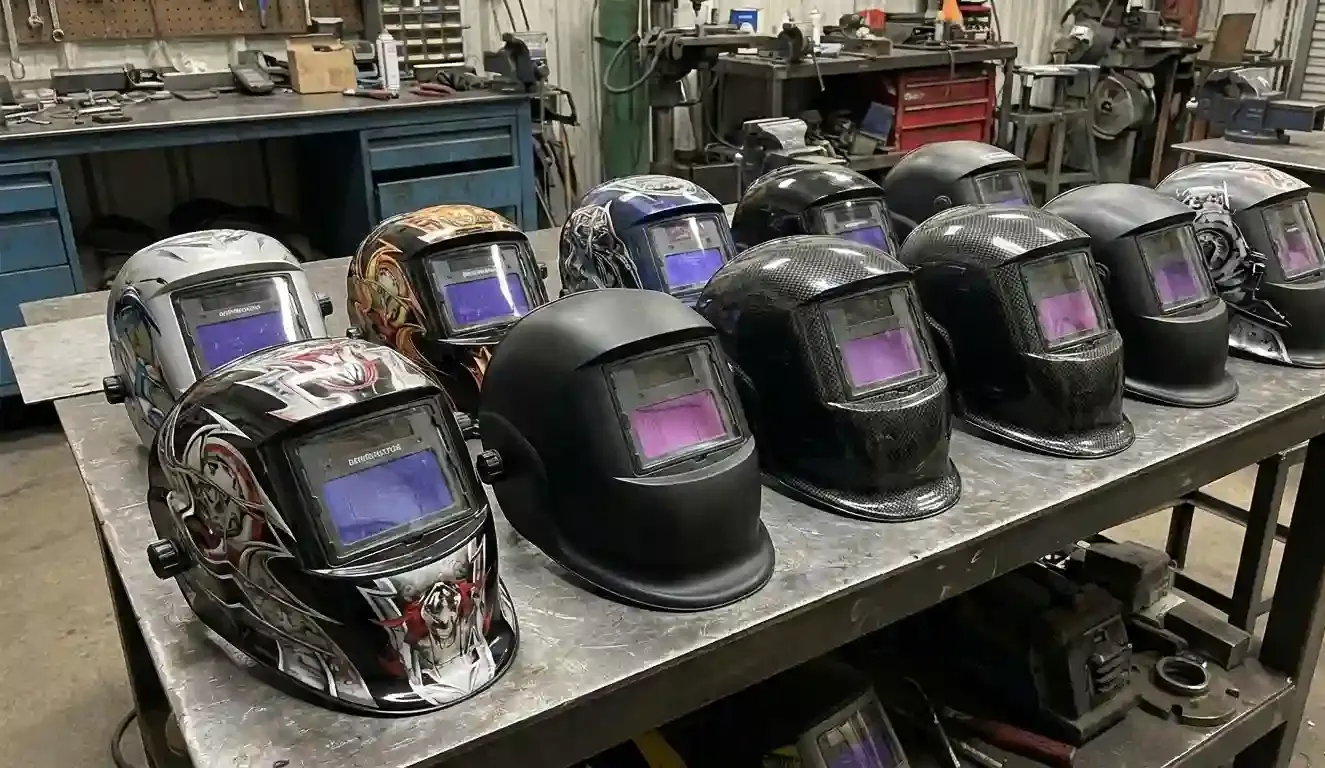
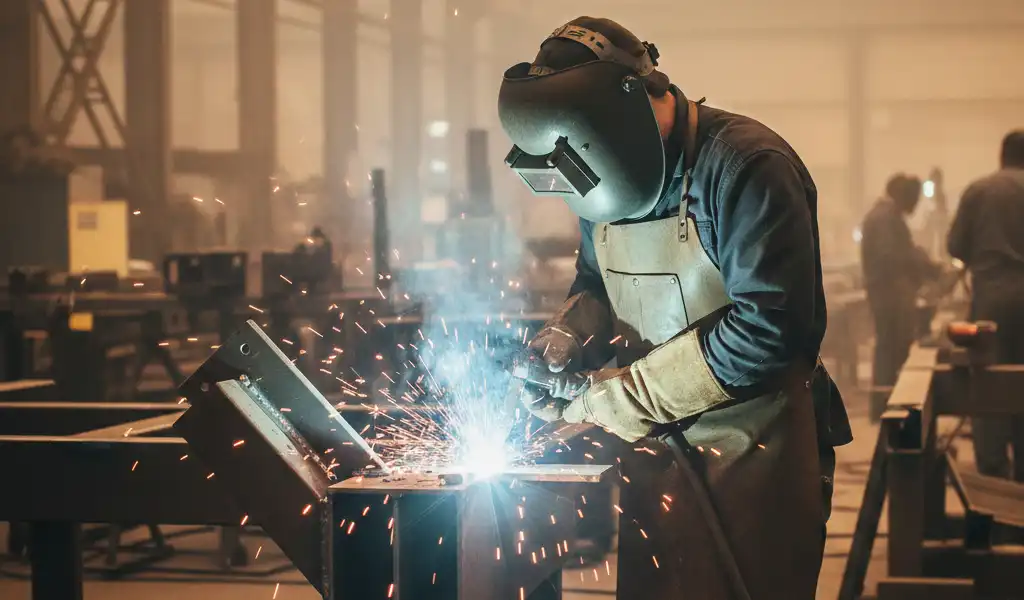
Budget pick: A 140-amp MIG machine runs about $300 and handles most home jobs. Add a $50 preheat kit, and you're set. Safety gear like leather gloves, auto darkening helmet, and fire resistant jacket is non-negotiable sparks fly hot with cast iron.
Step by Step: How to Weld Cast Iron with Stick Welding
Stick welding (SMAW) is the go to for cast iron because nickel electrodes flow well into cracks. Here's the process you should follow every time.
Clean the surface thoroughly.
Grind off rust, paint, and grease until shiny gray metal appears. Extend grinding 1 inch beyond the crack on all sides. Wipe with acetone to remove any oils.Preheat the entire piece evenly.
Heat to 600°F using a rosebud tip on your propane or oxy-acetylene torch. Wrap in a welding blanket to retain heat. Check with temperature sticks uneven heat leads to warping.Set up your welder.
Use DCEN (direct current electrode negative) at 70-110 amps. Select a 1/8-inch Ni-55 rod for most jobs.Start welding away from the crack.
Strike the arc on clean metal nearby. Build a small weld pool, then gently feather it into the crack. Weave side to side, laying down thin layers only.Pause between passes.
Let heat soak into the base metal avoid rushing a thick bead, which traps stress.Peen after each pass.
Lightly hammer the weld to relieve internal stresses while it's still warm.Cool slowly and finish.
Cover with blankets and let it cool for 24 hours (no water quenching!). Grind smooth, then inspect for cracks with dye penetrant or a tap test.
MIG Welding Cast Iron- Faster for Thin Repairs
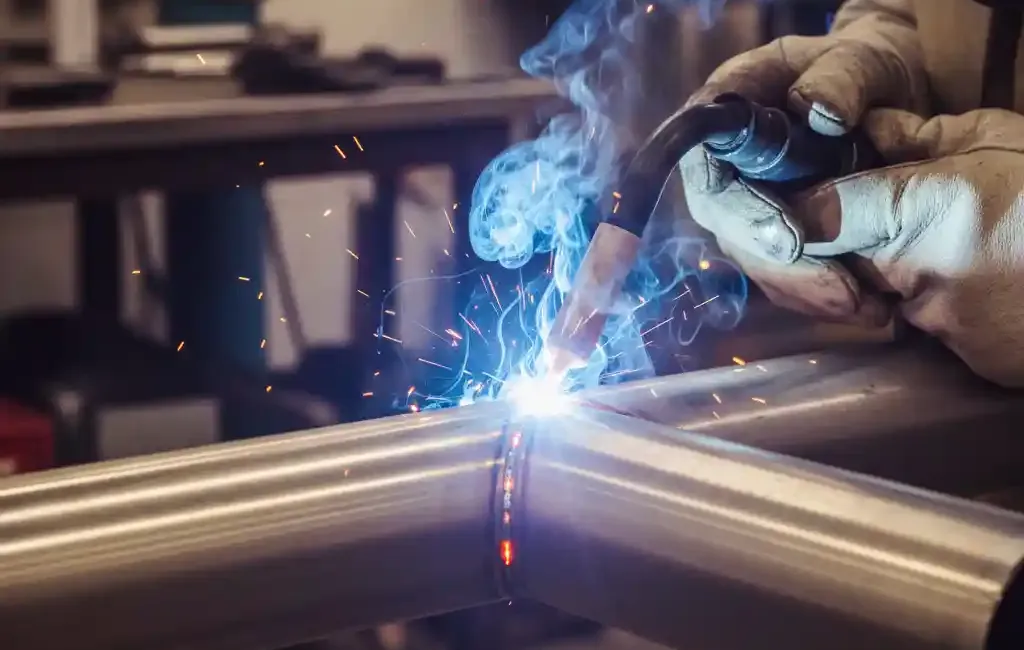
MIG shines for smaller jobs like manifolds. Use 100% nickel wire (ERNi-C) at 18-22 volts and 80-120 amps. Preheat remains key skip it, and porosity ruins your day.
Clean and preheat as above. Shield with argon or tri-mix gas to prevent oxidation. Start with short bursts to build heat, then run steady beads. Argon keeps the puddle clean, unlike CO2 which adds carbon and brittleness.
Pro tip: For outdoor work, MIG edges out stick due to wind resistance. I fixed a tractor hitch this way, and it took half the time of stick.
Advanced Method- Oxy-Acetylene Welding for Precision
For thin cast iron or filled repairs, braze with oxy-acetylene. Heat to 1500°F, then flow nickel bronze rod into the joint. No preheat needed if you're skilled, but it beats electricity for curves.
Common Mistakes and How to Avoid Them
Newbies often skip preheat, leading to 80% failure rates. Another killer: quenching in water. Always slow cool. Dirty surfaces trap moisture, causing explosions grind deep.
Overheating warps parts, watch your temp gauge. And don't skimp on filler mismatched rods lead to delamination. Test welds on scrap first.
Post-Weld Care and Testing
After cooling, normalize by heating to 1200°F and air cooling. Grind flush, then dye penetrant test for hidden cracks. Strong welds flex without breaking, tap with a hammer if it rings clear, you're good.
Where You'll Use These Skills ?
Engine blocks, pump housings, machine bases cast iron repairs save hundreds over replacements. Automobiles love it for exhausts, fabricators fix frames. Even artists weld sculptures.
In India, with our abundance of vintage machinery and repair shops, these skills boost careers in auto garages or foundries. Pair with certifications, and you're employable fast.
FAQ
Q1: What is the best welder for cast iron?
A1: Stick welder with Ni-55 rods works best for thick pieces. MIG with nickel wire suits thin repairs. Preheat always. (87 characters)
Q2: Do I need to preheat cast iron before welding?
A2: Yes, heat to 500-700°F to prevent cracks. Slow cooling follows. Skip it, and welds fail. (72 characters)
Q3: Can you MIG weld cast iron successfully?
A3: Absolutely, use ERNi-C wire and argon gas. Preheat and clean well for strong results. (68 characters)
Q4: What filler rod for welding cast iron?
A4: Nickel based like 99% Ni rods. Matches expansion, reduces brittleness in repairs. (70 characters)
Q5: How long to cool cast iron after welding?
A5: Slow cool under blankets for 24 hours. Avoid water to prevent cracking issues. (69 characters)
Q6: Is cast iron harder to weld than steel?
A6: Yes, due to high carbon causing cracks. Prep and preheat make it manageable. (66 characters)